
Understanding the Landscape of Sports Broadcasting
Definition and Evolution of Sports Broadcasting
Sports broadcasting refers to the transmission of sports events to an audience through various media channels such as television, radio, and the internet. This form of media has evolved significantly from its inception, transitioning from simple radio commentary to sophisticated multi-platform coverage involving high-definition video, live streams, and real-time analytics. Initially, sports were broadcasted over radios in the early 20th century, where the tension of play was relayed through the enthusiastic commentary of sportscasters. As technology advanced, television emerged as the dominant format for sports broadcasting in the mid-20th century, offering visuals that captivated audiences. Today, with the rise of Sports Broadcasting on digital platforms, audiences can enjoy a plethora of viewing choices, with on-demand content available at their fingertips.
Key Players in the Industry
The sports broadcasting industry consists of various key players, including major broadcasting networks, sports leagues, and digital streaming platforms. Traditional networks such as NBC, ESPN, and CBS have been staples in sports broadcasting, while digital platforms such as Amazon Prime Video and YouTube have begun to play significant roles by providing access to niche and mainstream sports through innovative subscription models. These networks and platforms collaborate not only with each other but also with sporting organizations to secure broadcasting rights, a costly but essential aspect of their business. In addition to financial agreements, partnerships with advertisers and sponsorship from corporate entities are crucial for funding broadcasting ventures and delivering quality content to audiences.
Impact of Technology on Sports Broadcasting
Technological advances have dramatically transformed sports broadcasting. High-definition and 4K video technology have enhanced the viewing experience by providing clearer and more vibrant visual quality. Moreover, the inclusion of augmented reality (AR) and virtual reality (VR) has created immersive experiences for viewers, allowing fans to engage with content in unprecedented ways. Real-time data analytics tools enable broadcasters to offer interactive features and statistics that enhance audiences' understanding of the game, fostering deeper engagement. Social media platforms also play a vital role, as they provide real-time highlights, interactions, and fan engagement opportunities that complement traditional broadcasting methods.
How to Develop Effective Sports Broadcasting Content
Identifying Your Target Audience
The first step in creating sports broadcasting content is to identify and understand your target audience. Audience demographics can vary significantly based on the sport, geographical location, and the platform used for broadcasting. Insights into viewers' preferences, such as age, gender, and interests, can inform content strategies, ensuring that you create programming that resonates with fans. Conducting surveys or using analytics tools to capture audience engagement data from various channels can help you tailor your approach, leading to more effective content delivery.
Crafting Compelling Sports Stories
Compelling narratives are at the heart of effective sports broadcasting. Telling the story behind the athletes, teams, and games adds emotional depth that engages viewers. Develop segments that highlight personal stories of athletes, the history of rivalries, or behind-the-scenes insights that give context to the events. For example, documentaries or features that explore an athlete’s journey can captivate audiences by making the content relatable and human. Utilizing storytelling techniques not only maintains viewer interest but also fosters a connection between fans and the sport.
Utilizing Multimedia Elements
Incorporating various multimedia elements is essential to keep broadcasts engaging and dynamic. This includes the use of infographics to display statistics, audio snippets from interviews, and video highlights to break up commentary. Live graphics and on-screen commentators provide real-time feedback and analysis, enriching the viewer's understanding of the game. This multimedia approach caters to various learning styles, making the content more accessible and enjoyable for a broader audience.
Best Practices for Live Sports Broadcasting
Technical Setup and Equipment
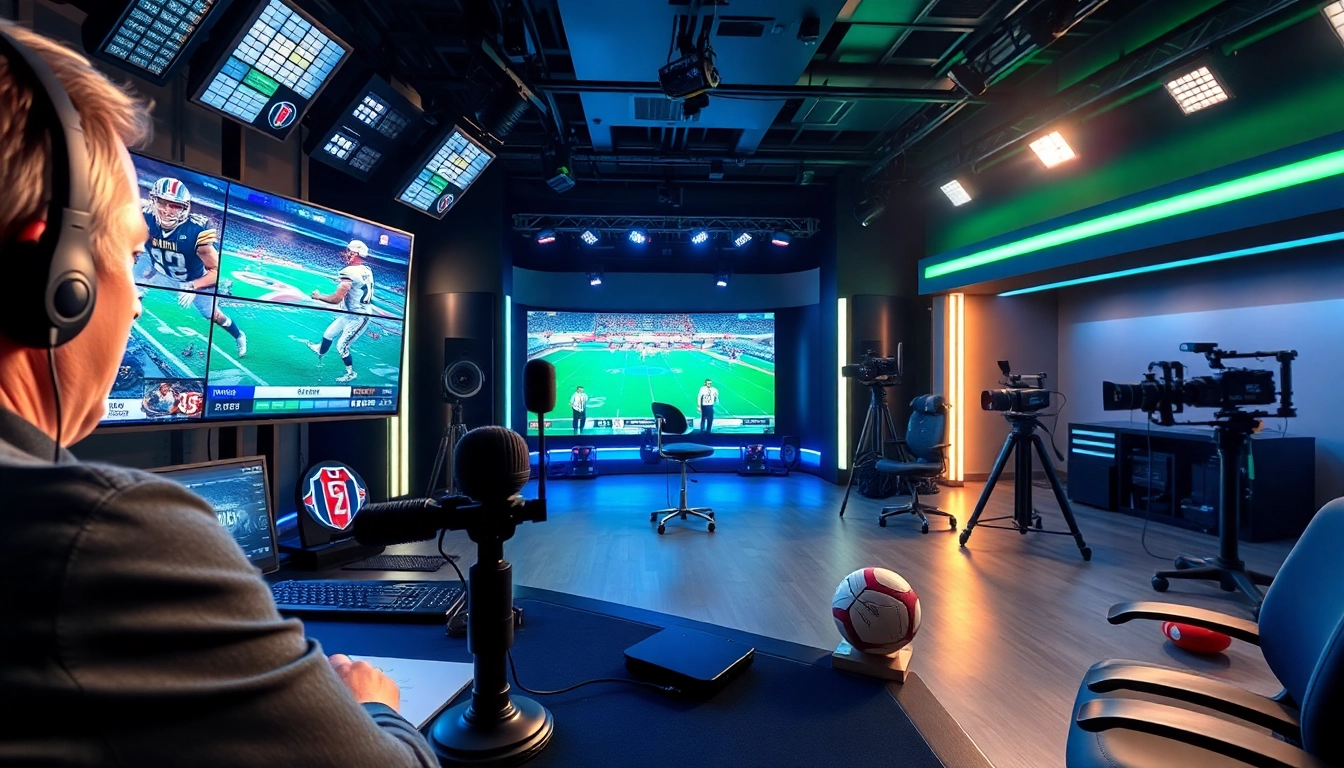
Achieving a high-quality live sports broadcast relies on a robust technical setup and the right equipment. Essential gear includes high-definition cameras, microphones, and advanced broadcasting software to manage multiple feed inputs. A reliable internet connection and back-up systems are also critical to minimizing interruptions. Engaging a skilled production team equipped with knowledge about the latest technologies ensures that every broadcast runs smoothly and meets the expectations of viewers.
Engagement Techniques for Live Audiences
Engagement during live broadcasts can elevate the experience for viewers. Techniques such as live polls, social media interactions, and incorporating real-time listener questions help maintain viewer interest. Encouraging viewers to participate by sharing their predictions or reactions on social media can create a community atmosphere and foster loyalty. Educating commentators to be dynamic and personable can also enhance audience connection, ensuring that viewers feel included regardless of where they are watching.
Adapting to Real-time Changes
Live sports are inherently unpredictable; hence, broadcasters must be equipped to adapt to real-time changes seamlessly. This may involve managing unforeseen circumstances, such as injuries or weather delays. Broadcasters should have a contingency plan that includes alternative content and backup commentators who can engage the audience while waiting for live action to resume. By staying flexible and proactive, broadcasters can maintain a high level of professionalism, regardless of the situation.
Metrics and Performance Evaluation in Sports Broadcasting
Analyzing Viewer Engagement
Analyzing viewer engagement is crucial for evaluating sports broadcasting efficacy. Metrics such as viewership numbers, audience retention rates, and interactive participation help gauge how well a broadcast resonates with the audience. Advanced analytics tools can track viewer behavior across multiple platforms, allowing you to understand which aspects of the broadcast captivate audiences most effectively. By continuously monitoring these patterns, broadcasters can refine their strategies to better align with viewer expectations.
Key Performance Indicators (KPIs)
Identifying the right KPIs is essential for measuring the success of a broadcasting strategy. Common KPIs in sports broadcasting include average watch time, peak viewership, and audience demographics. Other important indicators may include advertising revenue generated, social media engagement stats, and the number of subscriptions to digital platforms. By analyzing these metrics, broadcasters can understand their performance and make data-driven decisions to enhance future broadcasts.
Improving Content Based on Metrics
Utilizing metrics effectively allows broadcasters to improve content continuously. By identifying areas of weakness—such as segments with low viewer retention—broadcasters can adapt their approaches and focus on creating what audiences want. Engaging with viewer feedback and making the necessary adjustments not only enhances content quality but also strengthens the broadcaster's relationship with its audience. Continuous improvement fosters loyalty and repeat engagement, which is key in the competitive landscape of sports broadcasting.
Future Trends in Sports Broadcasting
Embracing Streaming and Digital Platforms
The rise of streaming services and digital platforms is reshaping the sports broadcasting landscape. As more viewers prefer on-demand content, traditional models are evolving to meet changing viewer habits. Companies must invest in robust online platforms providing live streams, highlights, and exclusive content tailored to viewer preferences. Subscription-based models and ad-supported platforms are gaining popularity, offering flexible viewing experiences that traditional television cannot match.
The Role of Virtual Reality in Sports Broadcasting
Virtual reality (VR) is ushering in a new era in sports broadcasting, providing fans with immersive experiences that place them right in the action. VR technology offers viewers the sensation of being present at the event, allowing them to experience the thrills of live sports in a unique way. As VR technology becomes more accessible and affordable, broadcasters should begin exploring how to incorporate this innovation into their content strategies to engage a rapidly growing audience seeking unique viewing experiences.
Addressing Legal and Copyright Issues
Navigating legal and copyright issues is critical in sports broadcasting. As digital media evolves, so do the complexities of rights management. Broadcasters need to be keenly aware of licensing agreements, intellectual property rights, and content ownership regulations, which can vary geographically. Establishing relationships with legal professionals specializing in media rights can help broadcasters avoid costly pitfalls and ensure compliance while maximizing content distribution opportunities.
Frequently Asked Questions (FAQs)
What is sports broadcasting?
Sports broadcasting involves the live transmission of sporting events to audiences through various media channels, including television, radio, and the internet.
How has technology impacted sports broadcasting?
Technology has transformed sports broadcasting with high-definition video, AR, VR, and data analytics enhancing viewer engagement and overall experience.
What are key performance indicators (KPIs) in sports broadcasting?
KPIs for sports broadcasting include viewer retention rates, average watch time, peak viewership, and audience demographics that help measure success.
How can I improve viewer engagement in sports broadcasting?
Improving engagement can be achieved by using interactive elements such as polls, social media interactions, and by telling compelling stories during broadcasts.
What is the future of sports broadcasting?
The future points toward the growth of streaming services, immersive VR experiences, and the need to address legal challenges in digital content distribution.